Pityriasis Alba: Causes, Symptoms, and Can Homeopathy Help?

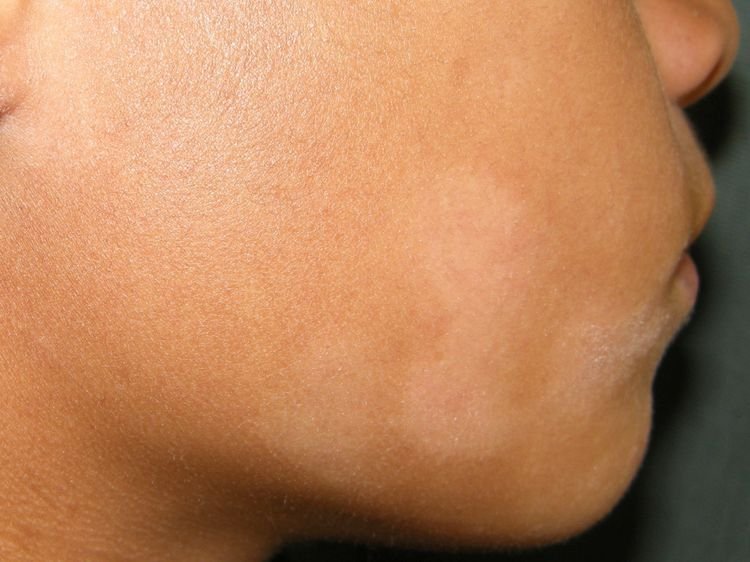
Have you noticed pale or white patches on your child's face, especially after spending time in the sun? These patches are often mistaken for fungal infections or vitiligo. In many cases, however, they are caused by pityriasis alba, a common, harmless skin condition that mainly affects children and teenagers.
Although the condition is not dangerous, it can cause cosmetic concerns for children and parents. Understanding the condition and seeking appropriate medical advice can help ensure the correct diagnosis and management.
What Is Pityriasis Alba?
Pityriasis alba is a mild inflammatory skin condition that causes light-colored, slightly scaly patches, most commonly on the face. The condition is considered a mild form of eczema and is more common in children between 3 and 16 years of age.
The patches become more noticeable during summer because the surrounding skin tans while the affected areas remain lighter.
The condition is not contagious, is not caused by worms or poor hygiene, and usually improves over time.
What Causes Pityriasis Alba?
The exact cause is not fully understood, but several factors are believed to contribute, including:
- Dry skin
- Mild eczema (atopic dermatitis)
- Frequent sun exposure
- Sensitive skin
- Family history of allergies or eczema
Pityriasis alba is not caused by a fungal infection, so antifungal creams are usually not helpful unless another fungal condition is present.
Symptoms of Pityriasis Alba
Common signs include:
- Round or oval white or light-colored patches
- Mild dryness or fine scaling
- Slight itching in some cases
- Smooth borders that are less defined than vitiligo
- Usually affects the cheeks, forehead, chin, neck, or upper arms
The patches are generally painless and may slowly regain their normal color over several months.
How Is It Diagnosed?
Doctors usually diagnose pityriasis alba by examining the skin and reviewing the medical history.
Sometimes additional tests may be recommended to rule out conditions such as:
- Vitiligo
- Tinea versicolor (fungal infection)
- Post-inflammatory hypopigmentation
- Nutritional deficiencies (in selected cases)
A proper diagnosis is important because treatment varies depending on the underlying condition.
Conventional Treatment
Most cases improve with simple skin care measures, including:
- Regular use of moisturizers
- Gentle skin cleansers
- Sunscreen to reduce contrast between normal and affected skin
- Mild topical corticosteroids or other anti-inflammatory creams when recommended by a doctor
The condition often resolves gradually, but skin color may take several months to return to normal.
Can Homeopathy Help?
Many families choose classical homeopathy for chronic or recurrent skin conditions because it offers an individualized approach to care.
In classical homeopathy, treatment is based on a detailed consultation that considers:
- The appearance and progression of the skin patches
- Personal and family medical history
- General health
- Sleep, appetite, and energy levels
- Emotional and behavioral characteristics
- Factors that improve or worsen symptoms
Rather than selecting a remedy based only on the diagnosis, classical homeopathy individualizes treatment according to the person's overall symptom picture.
Skin Care Tips
To support healthy skin:
- Apply a fragrance-free moisturizer twice daily.
- Use a broad-spectrum sunscreen when outdoors.
- Avoid harsh soaps and excessive scrubbing.
- Keep the skin well hydrated.
- Follow your healthcare provider's treatment plan.
When Should You See a Doctor?
Seek medical advice if:
- White patches spread rapidly.
- The diagnosis is uncertain.
- The patches become painful, inflamed, or infected.
- There is significant itching or no improvement over time.
- You are concerned the patches could be vitiligo or another skin disorder.
Conclusion
Pityriasis alba is a common and harmless condition that usually improves gradually with proper skin care. Correct diagnosis is essential because white patches on the skin can have several different causes. If you are considering classical homeopathy, consult a qualified practitioner who performs a thorough individualized assessment. Combining appropriate medical evaluation with good skin care can help achieve the best possible outcome.
Disclaimer: This article is for educational purposes only and should not replace professional medical advice. If you or your child develops persistent white patches on the skin, consult a qualified dermatologist or healthcare professional for an accurate diagnosis and appropriate treatment.