Can Classical Homeopathy Help in Psoriasis? Understanding an Individualized Approach

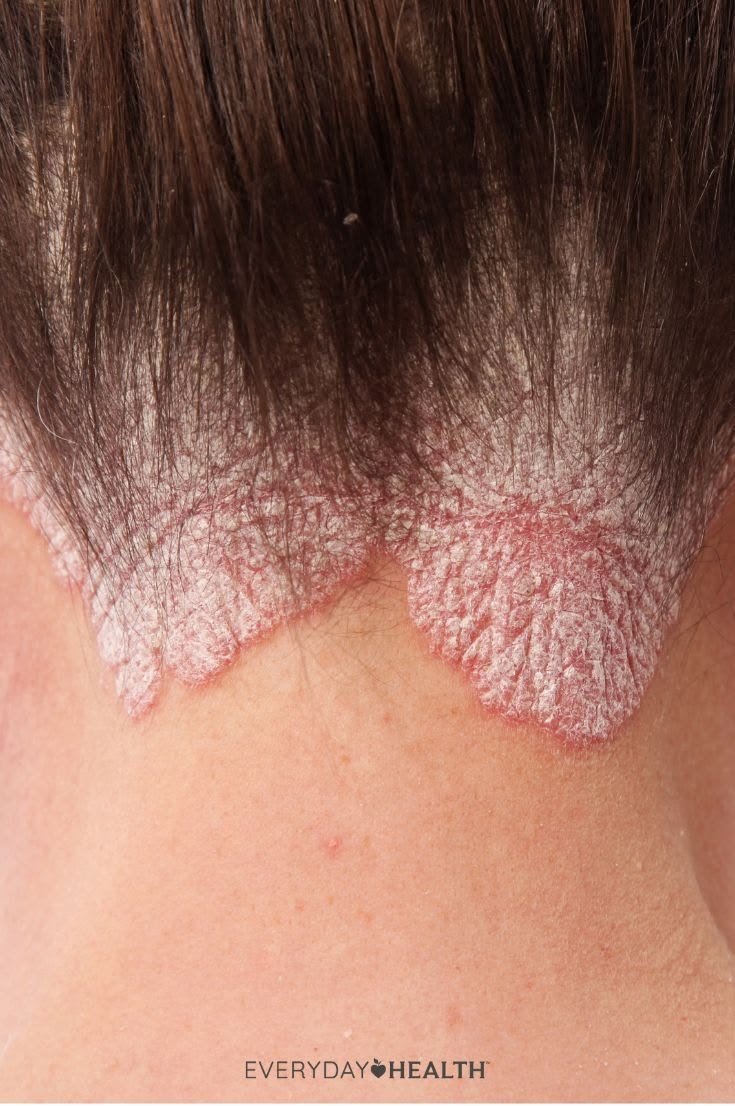
Psoriasis is a chronic autoimmune skin condition that affects millions of people worldwide. It causes red, thick, scaly patches on the skin and often follows a pattern of flare-ups and periods of improvement. While there is currently no universally accepted permanent cure for psoriasis, many people seek different treatment approaches to help manage their symptoms and improve their quality of life.
One approach that some patients choose is classical homeopathy, which emphasizes individualized treatment rather than treating everyone with the same medicine.
What Is Psoriasis?
Psoriasis occurs when the immune system becomes overactive and speeds up the production of skin cells. Instead of replacing skin cells over several weeks, the body produces them within days, causing scales and inflammation to build up on the skin.
Common symptoms include:
- Red, raised patches covered with silvery-white scales
- Itching or burning
- Dry, cracked skin that may bleed
- Thickened or pitted nails
- Joint pain in some people (psoriatic arthritis)
Psoriasis is not contagious and cannot spread through physical contact.
What Can Trigger Psoriasis?
Several factors may trigger or worsen psoriasis, including:
- Emotional stress
- Skin injuries
- Certain infections
- Smoking
- Excessive alcohol consumption
- Some medications
- Family history
Understanding personal triggers is an important part of long-term management.
How Does Classical Homeopathy Approach Psoriasis?
Classical homeopathy views psoriasis as more than a skin condition. During a consultation, a classical homeopath typically gathers detailed information about the individual, including:
- Skin symptoms and their pattern
- General health
- Sleep and appetite
- Emotional and mental state
- Family and medical history
- Factors that improve or worsen symptoms
Based on this comprehensive assessment, an individualized remedy is selected. Rather than prescribing the same medicine for everyone with psoriasis, the treatment is tailored to the person's unique symptom profile.
Why Is Individualization Important?
No two people experience psoriasis in exactly the same way. One person may have severe scalp involvement, another may mainly have plaques on the elbows and knees, while someone else may also experience joint symptoms.
Classical homeopathy aims to individualize care according to each patient's overall symptom picture, which is a core principle of this system of medicine.
Lifestyle Measures That May Help
Whether you choose conventional treatment, homeopathy, or a combination under medical guidance, healthy habits can help reduce flare-ups:
- Moisturize your skin regularly.
- Manage stress through relaxation techniques.
- Avoid smoking and excessive alcohol.
- Maintain a healthy weight.
- Eat a balanced diet.
- Follow your healthcare provider's advice consistently.
When Should You See a Doctor?
Seek medical attention if:
- Your rash is spreading rapidly.
- The skin becomes painful or infected.
- You develop joint pain or swelling.
- Symptoms interfere with daily life.
- Home care is not providing adequate relief.
Early diagnosis and appropriate treatment can help improve symptom control and quality of life.
Choosing the Right Classical Homeopath
If you decide to explore classical homeopathy, choose a qualified and experienced practitioner who performs a thorough case-taking rather than prescribing solely based on the disease name. A detailed consultation helps ensure that treatment is individualized and that any concerning symptoms are recognized promptly.
Conclusion
Psoriasis is a chronic condition that often requires long-term management. Classical homeopathy offers an individualized approach that some patients choose as part of their care. Because psoriasis varies from person to person, treatment decisions should be based on a comprehensive assessment and discussed with a qualified healthcare professional. Combining good skin care, healthy lifestyle habits, and appropriate medical guidance gives people the best chance of managing their symptoms effectively.
Disclaimer: This article is for educational purposes only. Homeopathy is used by some patients for psoriasis, but current scientific evidence does not establish that it can cure psoriasis. Do not stop or change prescribed treatments without consulting your treating healthcare professional.