Can Fever Be Beneficial? The Science Behind Your Body's Natural Defense

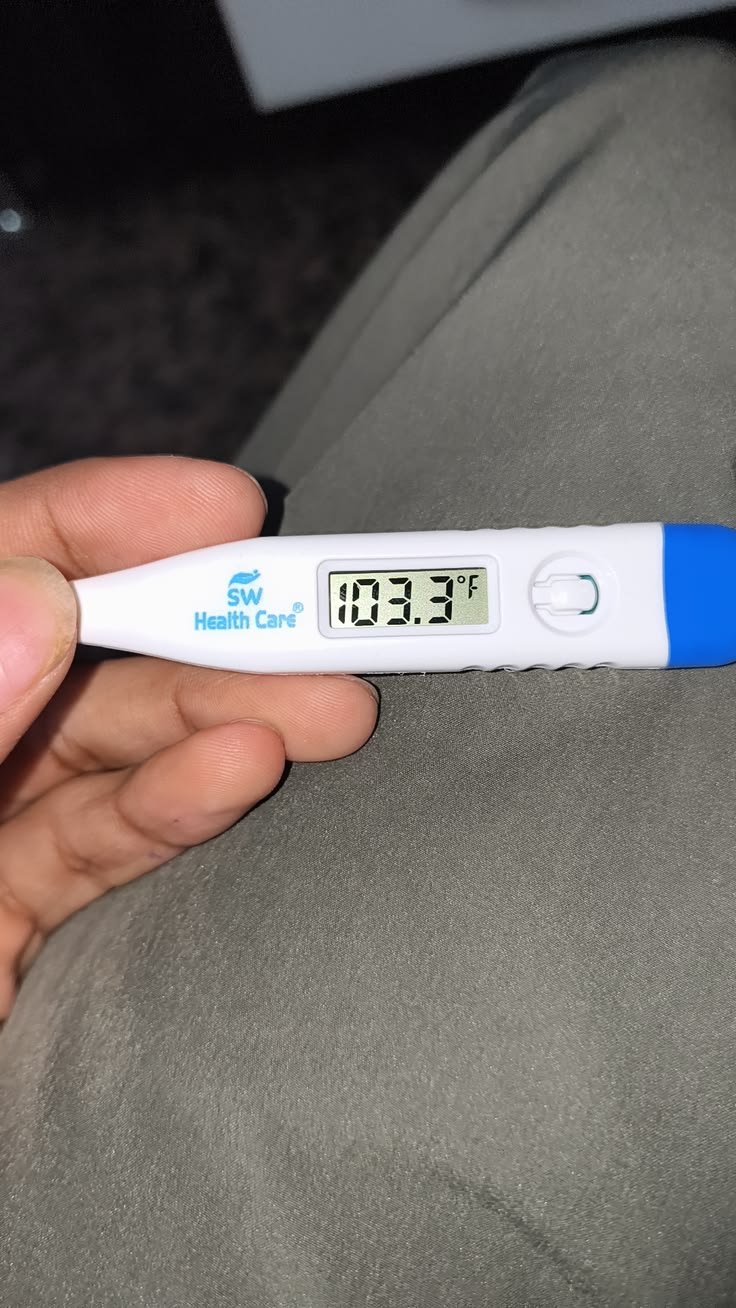
Most people panic when they see a fever on the thermometer and immediately try to bring it down. But did you know that fever is often a natural and beneficial response of your immune system?
Fever is not a disease—it's a sign that your body is actively fighting an infection. In many cases, a moderate fever plays an important role in helping you recover.
Why Does Fever Occur?
When viruses, bacteria, or other harmful microorganisms enter your body, your immune system recognizes them as invaders.
In response, immune cells release chemical messengers called pyrogens, which signal the hypothalamus (the body's thermostat in the brain) to raise your body temperature.
This increase in temperature is not accidental—it's part of your body's defense strategy.
How Can Fever Help?
1. Slows the Growth of Germs
Many bacteria and viruses grow best at normal body temperature. A moderate rise in temperature may slow the growth and reproduction of some microorganisms, making it harder for them to spread.
2. Boosts the Immune System
Fever helps activate and improve the performance of immune cells, including white blood cells. These cells become more effective at identifying and attacking invading microorganisms.
3. Speeds Up the Body's Defense Response
A higher body temperature may enhance communication between immune cells and support the production of proteins involved in fighting infections.
This coordinated immune response helps your body control the infection more efficiently.
Does Every Fever Need to Be Treated?
Not necessarily.
In many healthy adults and older children with a mild to moderate fever, the main goal is comfort, not simply lowering the temperature.
Doctors may recommend treating the fever if it is causing significant discomfort, preventing adequate fluid intake, or if there are specific medical reasons to reduce it.
The focus should always be on treating the underlying illness rather than the number on the thermometer.
When Can Fever Be Harmful?
Although fever is often beneficial, it can become dangerous in certain situations.
Seek medical attention if:
- Fever reaches 39.4°C (103°F) or higher in adults.
- An infant younger than 3 months has a temperature of 38°C (100.4°F) or higher.
- Fever lasts more than 2–3 days without improvement.
- There is difficulty breathing, confusion, persistent vomiting, seizures, severe headache, or a stiff neck.
- The person shows signs of dehydration, such as very little urine, dizziness, or inability to drink fluids.
These situations require prompt medical evaluation because the underlying cause may be serious.
Common Myths About Fever
Myth: Every fever is dangerous.
Fact: Most fevers caused by common viral infections are part of a normal immune response and resolve as the illness improves.
Myth: Higher fever always means a more serious infection.
Fact: The severity of an illness depends on many factors, not just the temperature. Some serious infections cause only a mild fever, while some mild viral illnesses can produce a high fever.
The Bottom Line
Fever is often your body's ally, not your enemy. It is a carefully regulated immune response that can help slow the growth of some germs and support the body's natural defenses. However, fever is a symptom—not a diagnosis. While many fevers can be managed with rest, hydration, and appropriate medical advice, persistent, very high, or severe fever should never be ignored.
Disclaimer: This article is for educational purposes only and should not replace professional medical advice. If you have persistent fever, severe symptoms, or concerns about a fever in a young infant, seek medical evaluation promptly.